Slow Down or Stay Home: How Molokai's Unhurried Pace Is an Act of Cultural Defiance
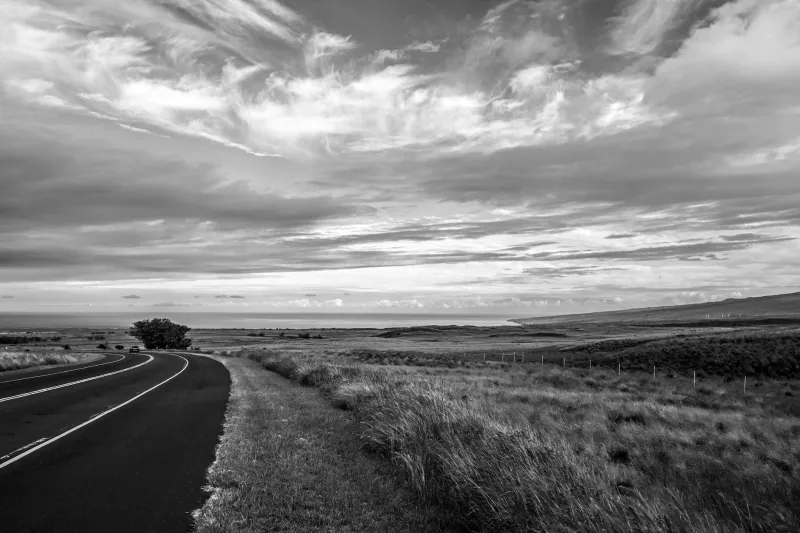
There's a moment that happens to almost every visitor who steps off the small prop plane at Hoolehua Airport. You look around. There's no shuttle. No rideshare app. No kiosk offering you a lei and a coupon for a sunset luau. There's just the warm, unhurried air of Molokai — and the quiet, unmistakable feeling that you just entered somewhere that operates by entirely different rules.
That feeling isn't accidental. It's the point.
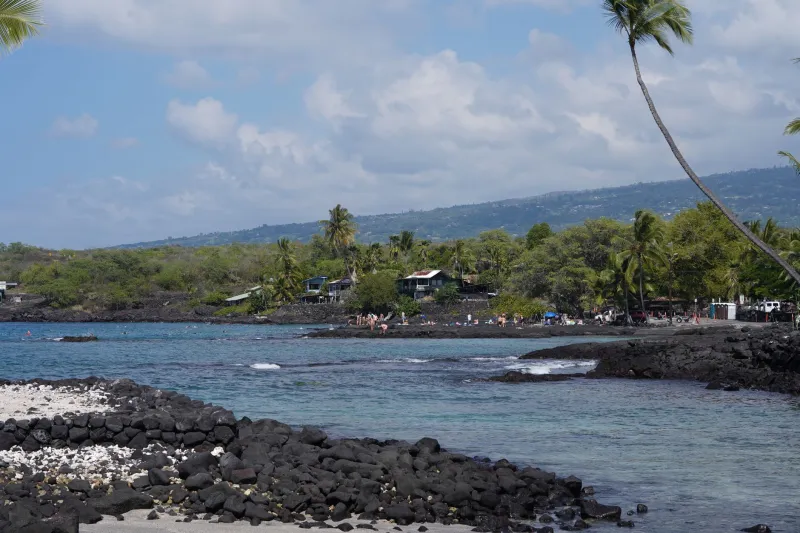
Molokai is the least commercially developed of Hawaii's main islands, and the community here has worked hard to keep it that way. No chain restaurants. No resort hotels. No traffic lights anywhere on the island. To a traveler conditioned by the frictionless efficiency of modern American tourism — where every destination has been sanded smooth for easy consumption — this can feel disorienting at first. But spend a few days here, and something shifts. You start to realize that what initially reads as "lack" is actually an extraordinarily deliberate abundance of something else entirely.
The Resistance Is Quiet, But It's Real
Molokai's population hovers around 7,000 people, and roughly 60 percent identify as Native Hawaiian — the highest proportion of any Hawaiian island. That's not just a demographic fact. It's the foundation of everything the island is, and everything it refuses to become.
For decades, developers have come knocking. Resort proposals have surfaced and been beaten back. Tourism infrastructure that would "open up" the island to higher visitor volumes has been debated and rejected. The community's response has been consistent: this island is not a product. It is a home. And the people who live here have been crystal clear that protecting that home sometimes means making it less convenient for outsiders.
Kanoelani Akana, who runs a small cultural education program out of the west side of the island, puts it plainly. "Every time someone builds a McDonald's somewhere, a little piece of what made that place worth visiting disappears," she says. "We've watched that happen everywhere else in Hawaii. Molokai said no. That 'no' is sacred to us."
That "no" has real economic costs. Molokai has one of the highest unemployment rates in Hawaii. Residents often have to travel to other islands or to the mainland for goods, medical care, and opportunities that most Americans take for granted. The choice to resist commercialization is not made from a position of comfort. It's made from a position of conviction.
What Slow Travel Actually Requires of You
The phrase "slow travel" gets thrown around a lot in wellness circles, usually paired with images of someone journaling in a hammock. But on Molokai, slow travel isn't an aesthetic — it's an ethical stance.
It means accepting that the one grocery store might not have what you want. It means understanding that the local diner closes when it closes, not when you're done eating. It means not pulling out your phone to leave a Yelp review complaining that service was "too relaxed." It means arriving without a packed itinerary and being genuinely okay with that.
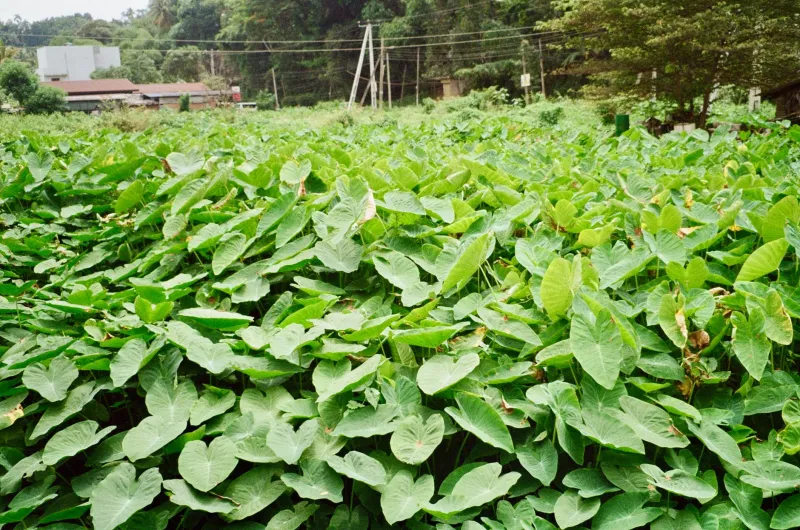
It also means spending money locally and intentionally. Molokai's small businesses — the plate lunch spots, the roadside fruit stands, the handful of locally owned vacation rentals — are the economic backbone of a community that has chosen cultural integrity over tourist dollars at scale. When you eat at a local spot instead of packing your own food from Whole Foods back on Oahu, you're participating in something that matters.
Makoa Fonoti, who operates one of the island's few guided cultural tours, describes the visitors who leave the deepest positive impression. "They come in quiet. They listen before they talk. They ask if it's okay to take a photo instead of just doing it. They tip well and they don't complain that things are different here. Those people — they get it. They understand they're guests."
That word — guest — carries enormous weight in Hawaiian culture. A guest is someone who has been welcomed. Welcome can be withdrawn. And on Molokai, the community watches carefully how that welcome is honored.
The Gift of Friction
Here's something the travel industry rarely tells you: friction is good for you. The inconveniences of Molokai — the limited cell service, the lack of 24-hour anything, the fact that you genuinely cannot fill every hour with a scheduled activity — create the conditions for something that's become almost impossible to find in modern American life.
Presence.
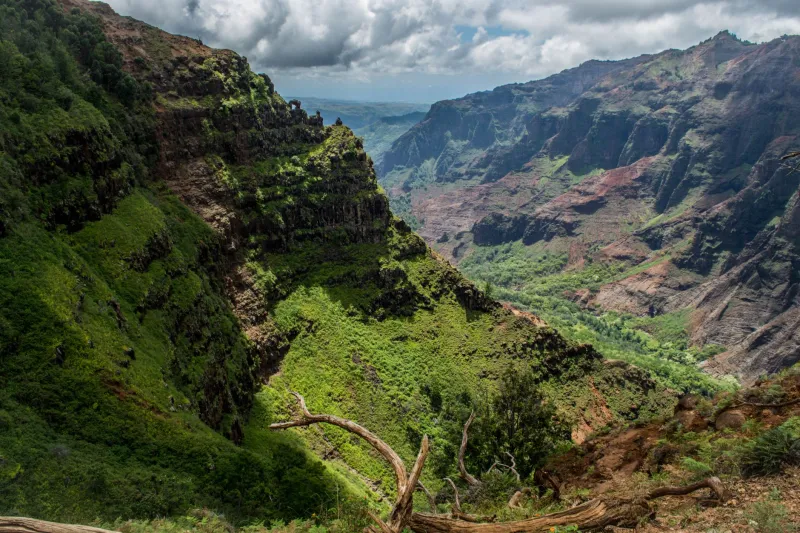
When there's nothing to scroll and nowhere to rush, you start noticing things. The way the light hits the sea cliffs at Kalaupapa in the late afternoon. The sound of wind moving through ironwood trees. The rhythm of a conversation with a stranger at the island's only gas station that has no destination and no deadline.
This is what Molokai's kupuna — its elders — have been saying for generations. Slowness is not laziness. It's attention. And attention, in the Hawaiian worldview, is a form of respect.
"When you slow down, you can actually see where you are," says Akana. "Most tourists never see where they are. They see a version of a place that's been built for them. Molokai doesn't do that. So you either slow down and actually arrive, or you're going to be uncomfortable the whole time."
How to Show Up Right
If you're thinking about visiting Molokai, here's the honest truth: not everyone should. If you need resort amenities, consistent Wi-Fi, and a curated experience, this island will frustrate you — and your frustration will be a burden on a community that didn't ask for it.
But if you're ready to genuinely slow down, here's how to do it with integrity:
Book local. Stay in a locally owned vacation rental rather than a platform-aggregated property managed by an off-island company. Ask your host what they'd want you to know about being a good guest on Molokai.
Eat local. Kanemitsu Bakery, Molokai Pizza Cafe, the farmers market on Saturday mornings — these are the places where your dollars do the most good and your experience will be the most real.
Ask before you photograph. Sacred sites, cultural gatherings, and even everyday moments of local life are not backdrops for your Instagram. When in doubt, put the camera away.
Leave margin in your days. Don't schedule every hour. Let the island show you what it wants to show you, on its timeline.
Read before you go. Learn the basics of Hawaiian history — the overthrow of the Kingdom, the struggles over land rights, the ongoing sovereignty movement. Understanding the context of where you are is the bare minimum of respectful travel.
The Radical Ordinary
Molokai isn't trying to be a destination. That's precisely what makes it one of the most extraordinary places in the United States. In a country where nearly every square inch of cultural life has been monetized and optimized and packaged for consumption, this small island in the middle of the Pacific is doing something genuinely radical.
It's just being itself.
And it's asking — firmly, graciously, and without apology — that if you come here, you be willing to slow down enough to meet it on those terms. Not as a consumer. Not as a tourist. But as a guest who understands the difference between visiting a place and honoring one.
That's not a low bar. But it's the right one.