The Radical Practice of Just Sitting There: What Molokai Can Teach You About the Art of Unhurried Existence
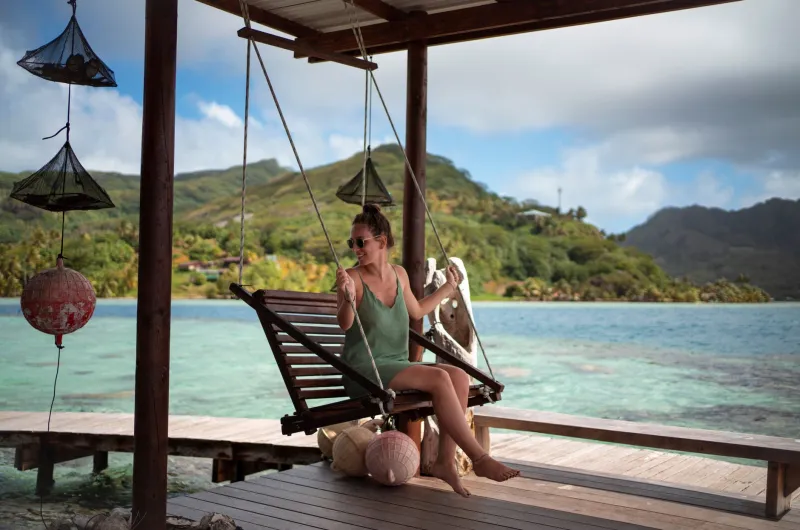
Let's be honest about something. Most of us are terrible at doing nothing.
We've been trained out of it — by school schedules, by productivity apps, by the low-grade cultural anxiety that treats an unscheduled afternoon as a personal failing. We go on vacation and we pack it full of activities. We sit on a beach and we scroll. We take a walk and we listen to a podcast. We are, as a civilization, deeply uncomfortable with the experience of simply being somewhere without also doing something.
Molokai finds this baffling.
What Pono Has to Do With Your Calendar
In Hawaiian culture, the concept of pono — often translated as righteousness or balance, though neither English word quite captures it — describes a state of harmony between a person and the world around them. Being pono means being in right relationship: with your community, with the land, with your own inner life. It's not a passive state. It requires attention, adjustment, and a certain willingness to slow down enough to notice when things are out of alignment.
Hustle culture is, by this measure, profoundly not pono.
When you're running at full speed all the time, you can't feel the calibration. You can't hear the signals. You're too busy generating output to notice what's actually happening inside you, or around you, or between you and the people you love. Molokai, which has resisted the overdevelopment that has turned much of Hawaii into a production set for other people's vacation fantasies, still carries the living memory of what a pono relationship with time actually looks like.
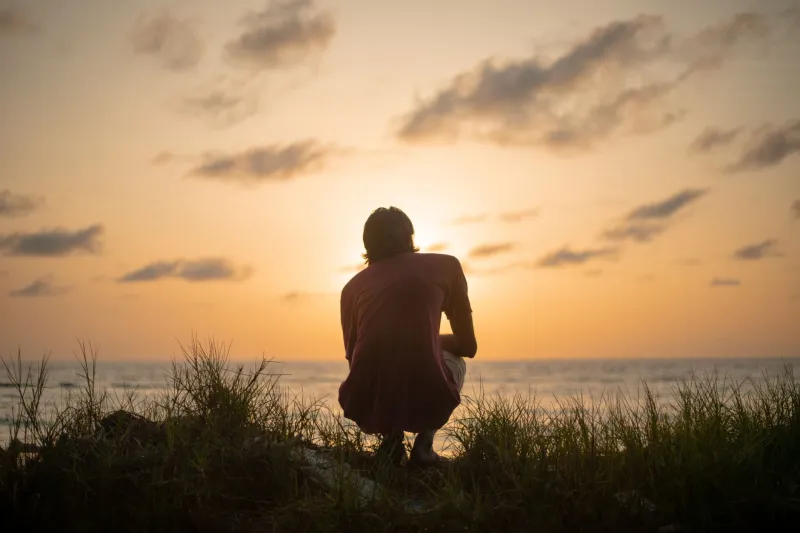
It looks, from the outside, a lot like nothing. It looks like an old man sitting on his porch watching the road. Like neighbors talking across a fence for forty-five minutes about something that isn't urgent. Like a family spread out on the grass at a park, not doing anything in particular, just being near each other while the afternoon moves slowly overhead.
From the inside, it's something else entirely.
The Skill That Looks Like Laziness
Intentional idleness — the conscious, deliberate practice of being unoccupied — is one of the most cognitively demanding things a modern American can attempt. This is not hyperbole. The research on this is genuinely interesting: studies on mind-wandering and default-mode network activity suggest that the brain does some of its most important integrative work precisely when we stop directing it. Memory consolidation, creative problem-solving, emotional processing — these happen in the spaces we keep trying to fill.
But knowing that intellectually doesn't make it easier to actually sit on a porch and watch the ocean for an hour without reaching for your phone.
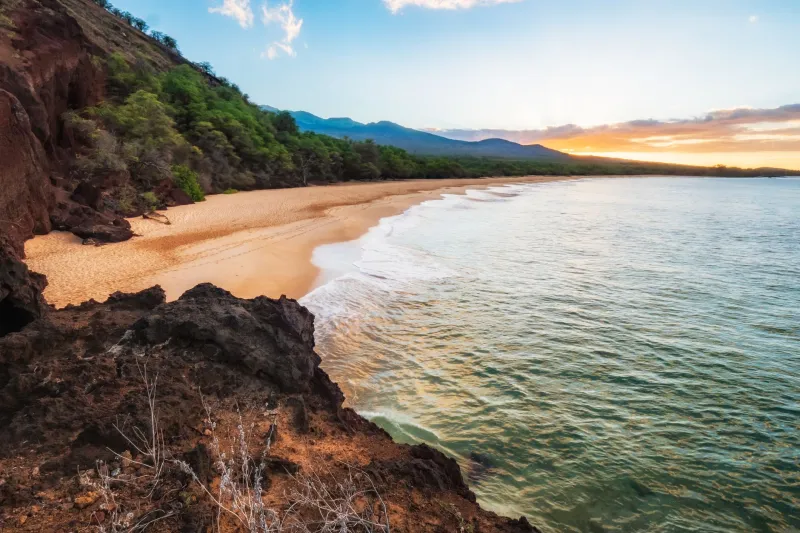
Molokai creates conditions that make this practice more accessible, almost by accident. Cell service is limited. There's no resort activity desk offering you paddleboard yoga at 8 a.m. The pace of daily life on the island is genuinely, structurally slower — not as an affectation, but because that's how things work here. Stores close when they close. Events start when people arrive. The ocean doesn't care about your schedule.
For visitors calibrated to mainland speed, the first day or two of this can feel like low-level panic. The second day feels like boredom. Somewhere around the third day, something shifts.
Learning to Sit Before You Arrive
If you're planning a trip to Molokai, there's genuine value in practicing the skill of unhurried presence before you get on the plane. Not because the island won't teach you — it will — but because arriving already a little bit softened means you waste less of your limited time in the adjustment period.
Here's what that might actually look like:
Start with ten-minute sits. No phone. No podcast. No agenda. Just a chair by a window, or a spot on a stoop, and the experience of letting time pass without filling it. Do this daily for two weeks before your trip. Notice how uncomfortable it is at first. Notice how that changes.
Eat at least one meal a week without screens. Not mindfully, in the performative sense — just quietly. Taste the food. Look out the window. Let your thoughts wander.
Practice the long goodbye. Mainland culture rushes departures. Hawaiian culture, and Molokai culture especially, lingers. When you're leaving a friend's place or wrapping up a conversation, don't optimize for efficiency. Let it end naturally.
These sound almost insultingly simple. They are also, for many people, surprisingly hard.
What You Bring Home
The travelers who get the most out of Molokai aren't necessarily the ones who hike the farthest or see the most sights. They're the ones who manage to actually absorb the island's tempo — who come home having genuinely rested in a way that sleep alone can't provide.
And here's the part that's easy to lose once you're back in your regular life: the practice doesn't have to end when you land at LAX or O'Hare or wherever the mainland reasserts itself.
You can keep a porch-sitting practice. You can build unhurried mornings. You can choose, occasionally and intentionally, to be somewhere without also doing something.
Molokai isn't the only place on earth where time moves differently. But it's one of the few places in America where that slower pace is protected — culturally, politically, spiritually — by people who understand its value deeply enough to fight for it.
The least we can do, as visitors, is take the lesson seriously.
Sit down. Look at the water. Let the afternoon happen.
That's it. That's the whole practice. And it's harder, and more rewarding, than almost anything else you'll do on this island.