What the Rain Is Saying: A Traveler's Guide to Listening to Molokai's Weather
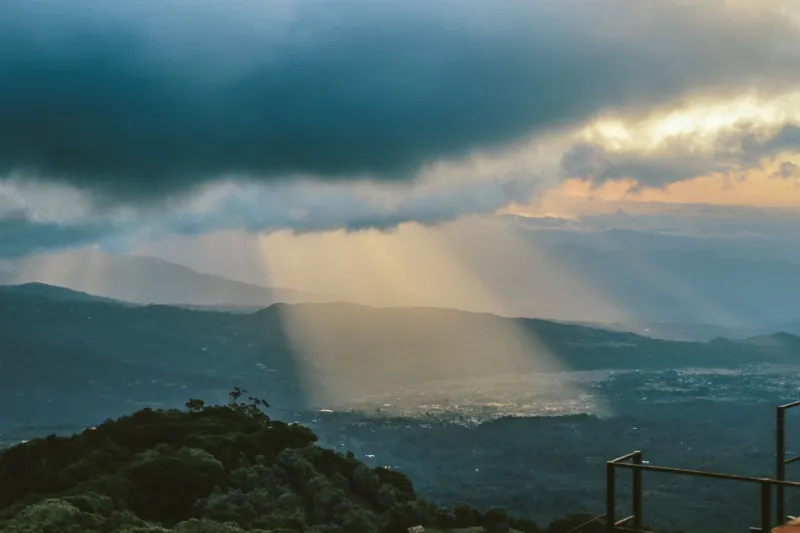
Your first instinct, when the rain comes sideways off the north coast and soaks your rental car before you've even gotten the door open, might be to check your phone for the forecast. Understandable. But here's a different suggestion: put the phone away and look up.
Not at the sky in frustration. At the sky in curiosity.
Because on Molokai, weather has never been just weather. For generations of Hawaiians who knew this island before GPS, before barometers, before the National Weather Service, the clouds stacking over Kamakou, the direction of the wind in Halawa Valley, the particular quality of a morning mist — these weren't inconveniences. They were data. They were story. They were conversation between the island and the people who lived on it.
That conversation is still happening. Most visitors just don't know how to listen.
A Language Built Over Centuries
Ancient Hawaiians developed one of the most sophisticated environmental reading systems in the Pacific. Across the islands, there are hundreds of named winds — each with its own personality, direction, and cultural meaning. Rain, too, was named and categorized not just by intensity but by character: the way it falls, what it touches, what it signals.
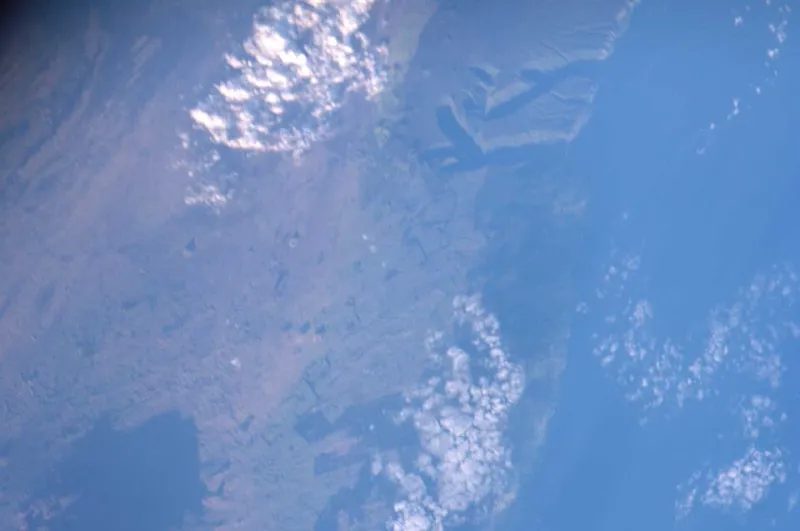
On Molokai specifically, the contrast between the island's wet north coast and its arid south creates a kind of living weather theater that early Hawaiians read with remarkable precision. The towering sea cliffs of the north shore — some of the tallest in the world — catch trade winds and wring moisture from clouds that have traveled thousands of miles across the Pacific. The south shore, sheltered and sun-warmed, tells a completely different story.
Understanding even a few basic principles of this system can transform your experience of the island from passive tourism into something that feels a lot more like participation.
How to Start Reading
Watch where the clouds gather first. On most mornings, clouds begin to build over the central highlands around Maunaloa and the ridgelines above Kaunakakai. When they thicken and darken early, afternoon showers are likely to move toward the east end. When they stay light and scattered, the day tends to stay dry. This isn't meteorology — it's observation, the same kind practiced here for centuries.
Pay attention to wind direction. The trade winds that blow from the northeast are Molokai's default setting, and when they're steady, the island feels balanced — warm on the south shore, cooler and wetter on the north. When the trades drop or shift, something is changing. A kona wind (from the south) brings humidity, sometimes storms, and a distinct heaviness in the air that longtime residents notice immediately. If you feel that shift, the island is telling you something.
Learn to read the light. The quality of light on Molokai changes dramatically with weather patterns. A certain golden clarity in the late afternoon often signals that the trades are strong and the air is clean. A flat, diffuse light — where shadows soften and colors mute — usually means moisture is moving in. Hawaiian farmers and fishermen read these light shifts the way a city person reads a traffic signal.
Notice what the animals do. This sounds like folklore until you spend enough time outdoors to see it work. Birds tend to move lower and quieter before rain. The ocean's sound carries differently when pressure changes. These aren't superstitions — they're pattern recognition refined over generations of close attention.
Rain as Blessing, Not Inconvenience
One of the most important reframes a visitor can make on Molokai is about rain itself. In Hawaiian cosmology, rain isn't bad weather. Ua — rain — is life-giving, sacred, deeply connected to the growth of taro and the health of the land. Some of the most beloved rain names in Hawaiian tradition carry real tenderness: soft rains named for the way they touch a leaf, heavy rains named for the sound they make on stone.
When it rains on Molokai during your visit, you're not being rained on. You're being included in something. The land is doing what it does, with or without your approval, and there's a kind of grace in surrendering to that.
Some of the most profound moments visitors describe on Molokai happen in the rain — standing under a waterfall in Halawa Valley while the sky opens up, or sitting on a covered porch watching a storm move across the channel toward Maui, the air smelling of wet earth and salt and something older than either.
Making Weather Part of Your Itinerary
Here's a practical suggestion that sounds counterintuitive: don't over-plan your days on Molokai. Leave mornings open. Let the weather help you decide. If clouds are building over the mountains, head to the south shore. If the north wind is light and the sky is clear, that's your window for the Kalaupapa overlook or a walk through the forest reserve.
This isn't passivity — it's responsiveness. It's the same instinct that made Hawaiian navigation one of the greatest achievements in human history: not fighting the environment, but reading it and moving with it.
And if you get it wrong — if you end up drenched on a trail you thought would be dry — that's fine too. That's Molokai teaching you something. The island has a long tradition of humbling the overconfident and rewarding the patient.
The weather here isn't a variable to be managed. It's part of the place. And learning to receive it on its own terms might be the most authentic thing you do on the island.